20 Handy Pieces Of Advice For Hinckley Fire Extinguisher Servicing And PAT Testing
The Top 10 Tips To Test Equipment For PAT in Hinckley
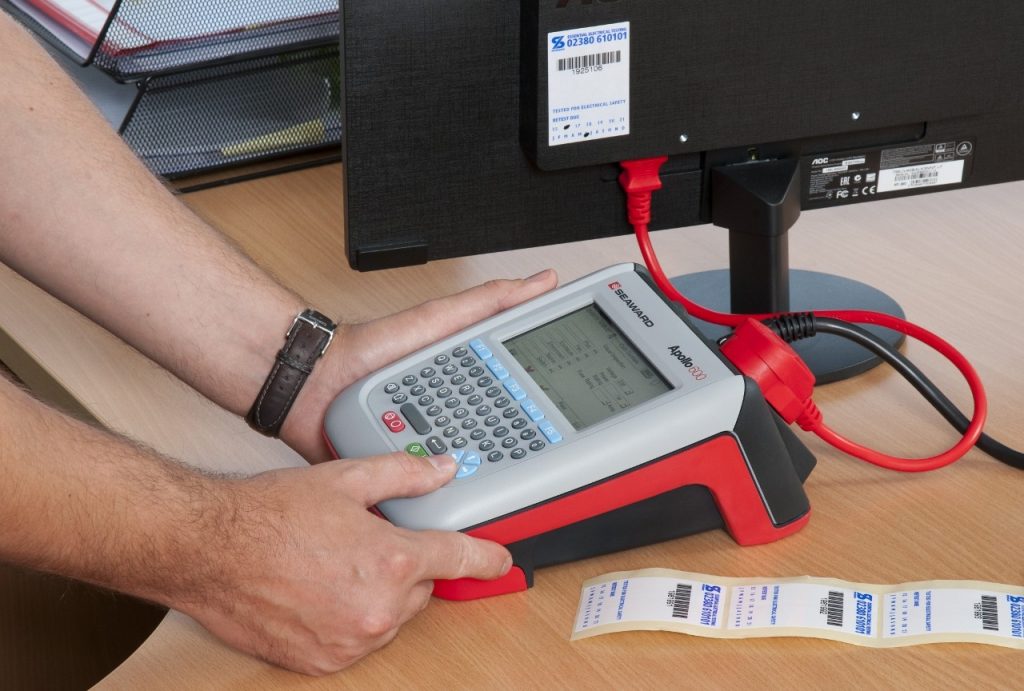
In the UK, the selection, maintenance and use of testing equipment forms the core of any efficient and conforming Portable Appliance Testing programme. It is vital to understand that the technical expertise of a technician is crucial but the instruments used for testing' quality, calibration and usage are equally crucial. Equipment should be able to perform the exact electrical test required by the IET Code of Practice for Inspection and Testing of Electrical Equipment. The code serves as an industry standard for the best methods. Each device, including the most sophisticated portable testers and simple voltage indicators play a vital part in checking the electrical safety of equipment. It is essential for duty holders to understand the capabilities, limits, and legal requirements of the equipment to make sure that their test protocols are not just carried out but also technically solid and legally valid in accordance with the Electricity at Work Regulations, 1989.
1. Portable Appliance Tester Tester in Hinckley
The most basic device is an automated one that runs a variety of safety tests. Modern testers can range from simple units that perform earth continuity tests and resistance tests to insulation to sophisticated models that provide additional tests, such as earth leakage and touch current. A key feature is the ability to perform a "soft test" or alternative leakage test on sensitive devices that contain electronic components (e.g. computers, computers and printers) that could be damaged by the high voltage used in the standard test for insulation resistance. The test instrument used must be in line with the complexity of the appliance to be test.
2. UKAS Accredited Laboratory Must Perform Annual Calibration in Hinckley
This is a mandatory requirement for compliance. The United Kingdom Accreditation Service requires that the PAT test is regularly calibrated, typically every year by a laboratory accredited. The calibration tests the precision of the device and also its conformity to national standards. The tester's provider must have a valid calibration certificate for each tester they use. If the instrument is not calibrated or in-calibration, the instrument renders the test results invalid and offers no defence in the event of an incident.
3. Users Checks and Functionality Testing (Daily/Pre Use)
The technician must perform daily functional checks, which are sometimes referred to "user tests" or "verification tests", before beginning any test. It is usually a test of a known-good "proof load" or set of test leads. The tester needs to be inspected and calibrated if it does not meet the requirements for the known-good item. This test is crucial in ensuring that the device functions properly on the first day of use.
4. The importance of visual inspection equipment in Hinckley
The equipment required to conduct a thorough examination, even though they are often ignored by testers, are equally crucial. They include screwdrivers to dismantle appliances and plugs as well as the appropriate fuse rating for replacements and a label printer or labels that are pre-printed to identify assets, and a torch to check dark areas. This stage is crucial in identifying any issues.
5. Specialised Test Leads & adapters in Hinckley
A skilled technician will have a set of test leads and adaptors that can be connected to any kind of appliance outlet. This includes the standard UK 3-pin plug leads IEC lead adaptors (for testing the appliance's end of detachable leads), clamshell or croc-clip leads for testing equipment without a plug (e.g., industrial machinery) and specialized adaptors for shaver sockets and commando connectors, as well as IEC 60309 industrial connectors. If the connectors aren't correctly connected, the test may be performed incorrectly or even skipped.
6. Earth Bond Test Lead and its importance for Class I Equipment
Tests for Earth Bond are essential for testing the earth bond for Class I appliances which require an earth circuit to ensure safety. The test leads for this must have a high current capacity (typically 5-25 A) to ensure a robust connection to the earth circuit is confirmed. Low-quality leads or ones that do not meet the requirements for the test current might produce false readings and could create a deadly safety hazard. Technicians should be aware of the need of using the right test lead.
7. Insulation Resistance Testing and Voltage Parameters
Insulation resistance tests measure the quality of insulation through the application of a high DC current (typically 500V in most appliances) to the earth and live conductors. The technician should know the best time and place to conduct this test (e.g. on electronics that are sensitive or equipment that has surge protection). The test equipment should provide the correct test voltage specified in the IET code of practice.
8. Pass/Fail Criteria and the instrument's presets in Hinckley
Tests that are reputable have been designed in pass/fail conditions based off the guidelines laid out in the Code of Practice. (e.g. insulation resistance greater than 1MO, earth-bond resistance 0.1O+R). Transparency dictates that technicians understand the preset limits. They shouldn't change these limits arbitrarily to guarantee a pass. The provider should confirm that its equipment is configured in accordance with industry standards for consistent results.
9. Capabilities for managing data and reporting in Hinckley
The latest PAT testers are also data-loggers. They can save hundreds or even thousands of test data, which can then be downloaded to software to generate certificates, asset registers and failure reports. This feature will be utilized by a transparent provider to provide transparent and precise evidence of the work that was done. Paper-based record keeping can be prone to errors, loss and falsification, and it does not reflect industry best practices.
10. Secondary Verification: Voltage Indicators and GS38 in Hinckley
Although the PAT tester serves as the primary tool, a competent technician also has a voltage indicator, or voltstick to prove dead prior to handling any electrical connections, notably when replacing a plug, or determining a fault. The secondary device itself must be in compliance with the HSE Guidance Note (GS38), which specifies the requirements for secure design. This provides a crucial layer of safety for the person who is conducting the test. See the top electrical equipment testing in Hinckley for site recommendations.
Top 10 Tips To Speed Up Response Time To Fire Extinguisher Service in Hinckley
In the contexts of responding to fire safety compliance times for service are not just a matter of convenience, but they are also a critical element of maintaining constant operational and legal compliance. In accordance with the Regulatory Reform Order (Fire Safety) 2005, equipment for fighting fires should be maintained in excellent working order. Any period when equipment is damaged or missing or discharged constitutes a breach of obligation. The ability of a provider to quickly respond to scheduled and emergency calls directly affects your risk exposure as well as the validity of your insurance policy and operational continuity. Insufficient responses can leave your premises vulnerable, interrupt the operation during audits, and demonstrate inadequate due diligence. When evaluating the response capabilities of a service provider be sure to look at the following aspects: different services and geographic limitations as well as contractual guarantees. the capabilities inherent to operations that enable swift and effective response.
1. Scheduled Service Appointment lead Times in Hinckley
The effectiveness of a provider's schedule for routine annual service is a first indicator of its operational competence. A business that is organized will call you about 4-6 months before the expiration date on your certificate to schedule your next service. The business should be flexible in scheduling and offer specific timeslots for AM and PM or a date that is confirmed for the engineer to visit. The excessively long lead time (e.g. the requirement to book three months or more ahead) or an inability to give a specific date could indicate inadequate staffing, poor resource management, or excessive extension, which could lead to an lapse in your insurance coverage for certification.
2. Emergency Call-Out Response Tiers and Definitions
All reactive callers are not created to be the same. The most reliable providers have clearly established levels of emergency response with time-bound guarantee. A typical urgent call that is a result of a defective extinguisher or missing extinguisher, may have a 24-48 hour response time limit. In a high-priority emergency (e.g. or multiple units discharged after an incident of a minor size or a critical fault found in an audit) will trigger a more rapid response, often within a couple of hours or the next day. This must be clearly defined in any contract or service agreement to ensure expectations are managed.
3. Geographical Coverage and Local Engineer Local Engineer Availability in Hinckley
The geographical Hinckley is intrinsically related to response time. A national company can have an established brand but still rely on a local network of engineers. It is important to find out if their employees are local or travelling across a large distance. This will affect the time to respond for scheduled maintenance and emergencies. A provider with a network of local experts will typically respond quicker, and also have lower call out charges. Ask, "Where's your nearest engineer within our postcode?"
4. Service Level Agreements (SLAs), which guarantee the speed of response, in Hinckley
Response times are important only provided they're stipulated by your Service Level Agreement. A vague guarantee to "attend promptly" is worthless. A solid SLA includes specific and measurable Key Performance Indicators (KPIs) for example: "We will acknowledge a service request within two working hours" and "We will arrive on site to address a high-priority emergency within 4 working hours." These guarantees provide recourse for the service provider should they fail to fulfill their commitments.
5. Communication Protocols and Helplines in Hinckley
Communication is essential to ensure an immediate response. Review the protocol of the service provider for processing and receiving requests for service. Do you have a customer service phone number or email address for urgent queries? Are they available during normal business hours and after? The top providers will give an immediate connection to a coordinator who can send an engineer immediately which means there's no need to wait in a phone queue.
6. Support for weekends and out-of-hours in Hinckley
Fire incidents, like faults are not a part of the standard 9-5 working hours. In high-risk settings (e.g., 24/7 data centres, manufacturing and care homes) or following an out-of-hours incident, the ability to reach support is essential. It is important to determine if the service provider provides a real emergency call-out 24/7 or if the support offered is limited to weekday hours. If the provider does offer after-hours assistance, you should ask about the premium charges and response times guaranteed in these cases. They could be vastly different from the SLA for daytime support.
7. Fault Resolution vs. Initial Attendance Time
A critical distinction must be established between the initial response time (an engineer attending site to determine the cause) and the fault resolution time (the time when the device is fully repaired or replaced and is compliant). It is possible for a service provider to react quickly and condemn the malfunctioning fire extinguisher but it can take some time to locate and set up the replacement. Both of these metrics should be covered within your SLA. The ideal scenario is that the service provider will be able to solve the most common problems on their first visit, for example, an extinguisher that is not working. They can do this by having replacement units for common issues available in their van.
8. Effect of response delays on Compliance and Insurance in Hinckley
Knowing the implications of a slow response time is critical. A malfunctioning or non-functioning extinguisher is required to be replaced promptly. Otherwise, you will not be able to comply with the Fire Safety Order. This could lead to a Fire Authority audit taking enforcement actions. It is also possible that your insurance policy will be conditioned on you being in compliance with laws regarding fire safety. Insurance companies could use a significant delay to correct an existing fault to invalidate claims in the event of a fire occurs, by saying that you didn't have adequate safety.
9. Provider resource capacity and the management of workload in Hinckley
Resource management is directly reflected in the company's response time. The ratio between the engineer and client of a company, and their management of peak workloads are important concerns to inquire about. An overworked provider may have engineers behind schedule for routine visits, or lack the capability to handle emergencies. Ask them how they would respond to a situation where several extinguishers had to be replaced within your premises. It will be apparent from their response that they're capable of an immediate, massive response.
10. Monitoring and reporting on performance and evaluation in Hinckley
A professional provider doesn't just make promises; they measure their performance against these promises. They should be able to measure the time it takes to respond for all types of calls. Additionally, they should be prepared and willing to provide periodic performance reports, e.g. annual, which demonstrate their compliance to the SLAs defined within your contract. This transparency will allow you to conduct a fact-based evaluation of the services they provide and holds the company accountable for maintaining high standards that are essential to your fire safety. See the top rated Hinckley fire extinguisher servicing for website advice.